
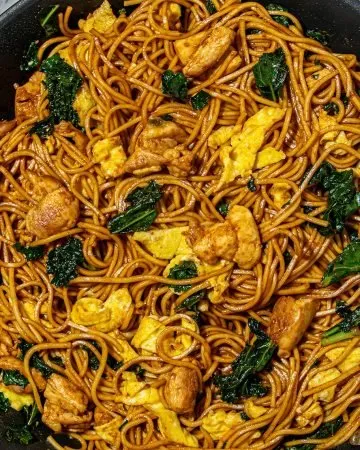
White pepper is a good fit when you want gentle heat without the black specks. It blends into pale sauces, creamy soups, mashed potatoes, and rice dishes more quietly than black pepper, so the flavor feels smooth instead of sharp. If you’re cooking for one or two, it’s an easy way to add depth without changing the look of the dish.
A little goes a long way. Start with a small pinch, then taste after the dish is cooked and adjusted for salt. White pepper can seem mild at first, but its warmth builds as the food sits. That makes it useful for weeknight cooking when you want big flavor from pantry-friendly ingredients.
Best ways to pair it
- Creamy dishes: soups, sauces, and casseroles where you want the seasoning to disappear into the background.
- Rice and noodles: stir-fried rice, fried noodles, and simple grain bowls.
- Potatoes and eggs: mashed potatoes, omelets, scrambled eggs, and savory breakfast plates.
- Pork and chicken: especially in lighter seasoning blends or quick marinades.
What to watch for
White pepper is not the right choice if you want bold peppery crunch or a very pepper-forward finish. It also tastes best when used with restraint, since too much can turn sharp or earthy in a way that takes over the dish. If a recipe calls for white pepper, follow that lead rather than swapping in a heavy hand of black pepper.
Try it in a fast, budget-friendly meal
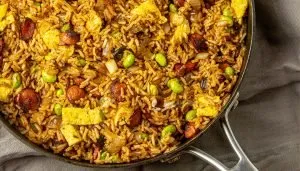
If you want an easy place to start, Hot Dog Fried Rice is a practical weeknight option. It’s a playful, low-drama dinner that uses everyday ingredients and gets extra flavor from simple seasoning. White pepper fits right in here because it helps the rice taste savory and finished without overpowering the other ingredients.
Find your next recipe
Browse the recipes on this page to see where white pepper shows up in cozy, quick, and pantry-friendly meals. It’s a small ingredient, but it can make an everyday dish taste more balanced and complete.
Save this ingredient page so you can come back the next time you need a subtle, easy-to-use seasoning.