



Dried dill is one of those pantry staples that quietly does a lot of work. It brings a fresh, grassy, lightly tangy flavor that pairs especially well with fish, seafood, yogurt-based sauces, potatoes, cucumbers, and creamy dressings. Because dried herbs are more concentrated than fresh, a little goes a long way.
If you are using dried dill in a recipe for the first time, start small and taste as you go. It is easy to add more, but harder to pull it back once the flavor gets too strong. For most home cooking, it works best when it is mixed into a sauce, sprinkled into a salad dressing, or added to a dish near the end of cooking so the flavor stays bright.
Recipes here that make good use of it
This archive leans into the kinds of meals where dried dill feels natural and useful, not forced. A few examples:
- Amazing Fish Tacos use dried dill in the sauce for a cool, creamy finish that works well with crispy fish and crunchy cabbage.
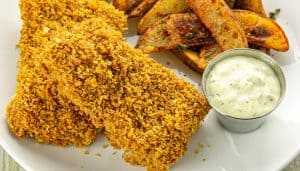
- Oven-Baked Fish and Chips is a simple way to pair dill with golden fish and potatoes for an easy dinner.
- Falafel Sliders with Creamy Dill Sauce show how dill can add a fresh contrast to rich, savory falafel.
- Shrimp Salad Sandwich is a good fit if you want something cool, creamy, and lunch-friendly.
What dried dill tastes best with
If you are building a meal around dried dill, these are the easiest matches to start with:
- Fish and seafood — especially mild white fish, shrimp, and salmon
- Creamy sauces — yogurt, mayo, sour cream, and ranch-style dressings
- Potatoes — roasted, baked, or folded into salads
- Cucumbers and cabbage — for a bright, cool crunch
- Chickpeas and falafel — when you want something herby and fresh
Easy ways to use it
- Stir it into a sauce or dressing so the flavor spreads evenly.
- Add it to a creamy mixture and let it sit for a few minutes before serving.
- Use it as a finishing herb on warm dishes like potatoes or fish.
- Pair it with lemon, garlic, yogurt, or mustard for a sharper, brighter result.
Quick tips for better results
Store dried dill in a sealed container away from heat and light so it keeps its flavor longer. If your jar has been sitting around for a while, smell it before using it. If the aroma is faint, you may need a little extra to get the same effect.
Most importantly, think of dried dill as a support flavor, not the whole show. It works best when it adds freshness and balance to familiar ingredients. If you want more ideas like these, browse the recipes above and save the ones that fit your weeknight rotation.