
Sustainability can look different from one cook to the next. For some people, it means trying new ingredients. For others, it means wasting less food, using what is already in the pantry, or choosing recipes that fit a smaller budget and a busy schedule. The most useful place to start is with changes that are actually doable for your routine.
That might mean building more meals around beans, grains, vegetables, or pantry staples. It might also mean being more flexible about what you buy and how you cook it, so you can make a meal with grocery-store ingredients instead of waiting for the perfect setup.
Small swaps that can make cooking feel lighter
You do not need a complete kitchen overhaul to cook with sustainability in mind. A few low-drama habits can go a long way:
- Plan meals around ingredients you can use in more than one recipe.
- Choose small-batch recipes when you are cooking for one or two people.
- Use leftovers in bowls, wraps, fried rice, pasta, or soup.
- Freeze extra bread, herbs, broth, or cooked grains before they spoil.
- Pick recipes that make room for substitutions when a store is out of something.
These habits are not flashy, but they can save money and cut down on food waste without making dinner more complicated.
Try one unusual ingredient at a time
If you are curious about alternative proteins, start with one article or one ingredient and see what makes sense for you. You do not have to commit to a whole new style of cooking overnight. Sometimes the easiest way to explore a new food is to compare it with something familiar in texture, seasoning, or cooking method.
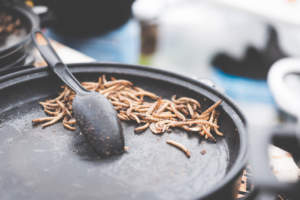
For a closer look at that idea, read What Would Make Someone Want to Eat Bugs?. It explores why insects are part of the sustainability conversation and what might make them more appealing to everyday eaters.
How to use this archive
If you are browsing for ideas, look for articles that match your comfort level. Some readers want practical ways to waste less food. Others want to understand new ingredients before they try them. Either way, the goal is the same: find recipes and stories that help you cook with more confidence and less guesswork.
Save the pieces that fit your routine, come back when you want a new idea, and keep building a way of cooking that feels both thoughtful and actually doable.