
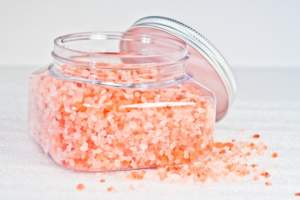
Salt does more than make food taste salty. It can sharpen flavors, calm bitterness, and help simple ingredients taste more complete. If a dish feels flat, the issue is often not “more seasoning” in a vague sense — it may just need salt added at the right moment.
For everyday cooking, start small and taste as you go. A little salt in pasta water, soup, sauces, vegetables, or eggs can make a big difference. Then finish with another pinch only if the dish still tastes dull. That two-step approach is especially useful for beginners because it keeps you from overshooting and helps you notice how flavor changes.
What to Look for in Different Salts
Not every salt behaves the same way. Some dissolve quickly and work well in cooking, while others bring a crisp finish or a little texture on top. The shape of the crystals matters, which means a teaspoon of one salt may not equal a teaspoon of another in practice.
- Table salt is fine and quick to dissolve, so it is useful for everyday seasoning.
- Kosher salt is often easier to pinch and sprinkle evenly.
- Flaky finishing salts add a light crunch and work best at the end.
If you are following a recipe, check which salt it assumes before swapping. That keeps the seasoning consistent and helps you avoid a dish that tastes too salty or not salty enough.
Smart Times to Add Salt
There is no one perfect moment, but a few spots matter more than others. Salting early can season ingredients from the inside, while finishing salt can make the last bite pop.
- Before cooking: Season meats, vegetables, or potatoes so the flavor starts building right away.
- During cooking: Taste broths, sauces, and grains as they simmer so the seasoning stays balanced.
- At the end: Add a final pinch to roasted vegetables, tomatoes, eggs, or salads if they need a brighter finish.
If you are making something simple for one or two people, this approach is especially helpful. Small-batch cooking leaves less room for extra seasoning to hide, so a careful taste and adjust step goes a long way.
Learn the Basics, Then Make It Your Own
Once you understand how salt works, it gets easier to cook with more confidence. You will start to notice when food needs more depth, more contrast, or just a clean finishing touch. That is where good home cooking gets a lot easier.
For a practical overview of the main salt types and when to use them, read Know Your Salts. It is a helpful next step if you want to choose the right salt without guessing.