
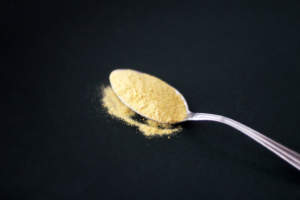
Nutritional yeast is one of those pantry ingredients that can make simple food feel more interesting without adding much extra work. Its flavor is savory, a little nutty, and often described as cheesy, which is why it shows up in sauces, sprinkling blends, and plant-based recipes. If you are just getting started, the easiest way to use it is to add a small amount at the end of cooking and taste as you go.
For a quick win, try it in:
- Popcorn with melted butter or olive oil
- Roasted vegetables for a salty, savory finish
- Pasta sauce, especially creamy or dairy-free versions
- Mashed potatoes or cauliflower mash
- Breadcrumb mixtures for extra flavor on top of casseroles
What to know before you cook with it
Because nutritional yeast is dried and inactive, it does not behave like baking yeast. It is used for flavor, not for rising dough. That makes it low-drama and easy to keep on hand, especially if you like making weeknight meals with grocery-store ingredients.
Here are a few practical tips:
- Start with less than you think you need, then add more after tasting.
- Mix it into warm food so it dissolves and coats evenly.
- Combine it with fat, salt, or lemon juice to round out the flavor.
- Store it in a cool, dry place so it stays fresh longer.
Need a quick primer?
If you want the basics on what nutritional yeast is, how it is made, and why cooks reach for it, read What in the World is Nutritional Yeast? first. It is a useful place to start before you try it in your own kitchen.
Best way to experiment
Use nutritional yeast in one small batch recipe first, then adjust from there. It is easy to make it your own, and a little goes a long way. If you find a version you like, save it for later so you can come back to it the next time you want big flavor with very little effort.