
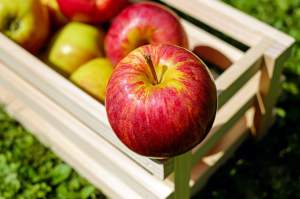

Apples are one of those ingredients that can do a lot with very little effort. A crisp apple works well for snacking, baking, salads, and simple stovetop recipes, while a softer variety can cook down into sauces, fillings, or warm toppings. If you’re not sure where to start, think about the result you want: tart and firm for fresh eating, or sweeter and softer for baking and cooking.
For a practical starting point, How to Choose a Good Apple breaks down what to look for before you bring a bag home from the store. A few minutes of choosing well can make the rest of the recipe easier and more consistent.
What apples are good for
- Snacking: Crisp apples with a firm bite hold up best raw.
- Baking: Apples that stay intact in the oven give you slices instead of applesauce.
- Cooking: Slightly softer apples are useful when you want them to melt into a filling or topping.
- Balancing flavor: Tart apples can keep sweet desserts from tasting flat.
Quick apple tips for better results
- Choose apples that feel firm and heavy for their size.
- Avoid bruised fruit if you want clean slices or a neat presentation.
- Store apples in the fridge if you want them to stay crisp longer.
- Cut them right before serving or toss slices with a little lemon juice to slow browning.
Start with a simple apple recipe
If you want a little more background on why apples show up in so many kitchens, Why Apples are Considered a “Miracle Fruit” gives a broader look at what makes them such a useful everyday ingredient. From there, you can move straight into the fun part: baking a cozy dessert, adding apples to a savory dish, or keeping things simple with a fresh snack.
Save this tag page if you want an easy place to come back when you have apples on hand and need a low-drama idea that actually works.