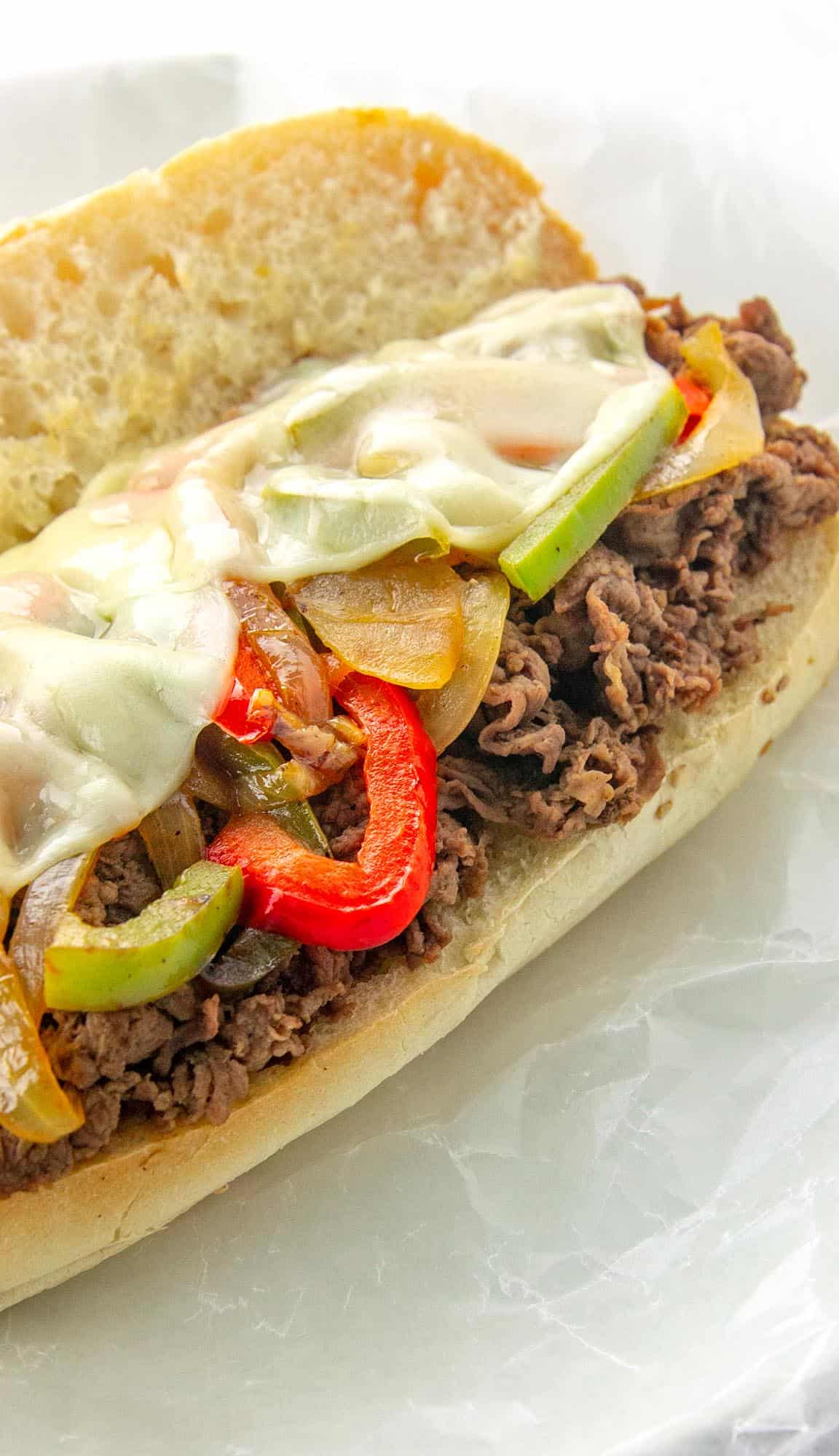
This Philly cheesesteak keeps the spirit of the classic sandwich simple: thin beef, tender peppers and onions, and melty provolone tucked into a toasted roll. It’s a low-drama, weeknight-friendly version that leans on grocery-store ingredients and a hot pan to build big flavor fast. If you’ve wanted a homemade cheesesteak that feels doable instead of fussy, this is a good one to save.
Why the beef matters
Thinly sliced beef is the key to getting that fast-cooking, tender texture. Sirloin works well because it stays flavorful and is easy to find, while ribeye gives you a richer, more classic cheesesteak feel. If you can find shaved beef at the store, that’s a helpful shortcut here because it cooks even faster and makes the sandwich especially easy to pull off on a busy night.
The main thing to watch is thickness. If the beef is too thick, it can turn chewy before it picks up the savory seasoning and sauce. Ask for shaved or very thinly sliced beef if you’re buying it from the meat counter, or slice it as thinly as you can if you’re cutting it at home.
Getting the peppers and onions right
The peppers and onions do more than add color. Cooking them until soft and lightly golden gives the sandwich a sweeter, richer base that balances the beef and cheese. You want them tender enough to fold easily into the roll, not crunchy or watery.
If you like a more traditional, beef-forward cheesesteak, you can keep the vegetable mixture a little lighter. If you want a sandwich with more sweetness and texture, let the onions and peppers cook until they start to caramelize around the edges. That extra browning brings more depth without adding extra work.
Here’s why the sauce works
The Worcestershire sauce and low-sodium soy sauce may be small amounts, but they do a lot of heavy lifting. Together, they add saltiness, savoriness, and a little extra depth so the filling tastes fuller and more complete. The pan should look glossy when everything comes back together.
This is a smart place to keep things simple. You do not need a separate sauce or a long list of seasonings for a good cheesesteak. The goal is just enough seasoning to make the beef, vegetables, and cheese taste connected.
How to keep the sandwich melty, not messy
Provolone is a great choice here because it melts smoothly and stays mild enough to let the beef and vegetables shine. Adding the cheese at the end, while the filling is still hot, helps it soften quickly without needing extra time in the pan.
To help the sandwich hold together, toast the hoagie rolls before filling them. A lightly crisp roll gives you better structure and keeps the bread from getting soggy once the hot filling goes in. That small step makes a big difference, especially if you plan to serve these right away.
Small tips that make this easier
- Use a large skillet or pan so the beef has room to cook instead of steaming.
- Don’t crowd the pan if you can avoid it. Too much beef at once can make it release liquid and lose browning.
- Stir shaved beef often because it cooks quickly and can go from tender to overdone fast.
- Keep the rolls ready first so you can fill them while the mixture is hot and the cheese melts nicely.
Easy ways to change it up
This recipe is flexible if you want to make it your own. Swap the provolone for another melty cheese you already have on hand, or add more peppers if you like extra color and sweetness. You can also adjust the onion-to-pepper ratio depending on what you enjoy most in a sandwich.
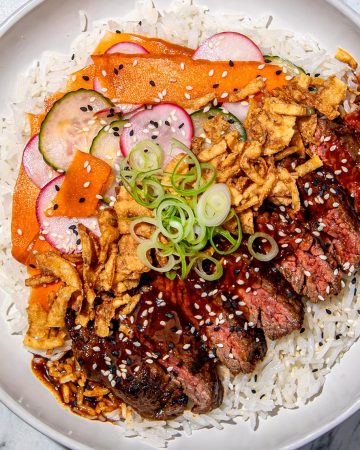
If you want a lighter filling, serve the cheesesteak mixture over rice or tucked into lettuce cups instead of rolls. If you want a heartier dinner, pair it with a simple side and keep the sandwich open-faced so the filling stays front and center.
What to serve with it
Philly cheesesteaks are rich enough to work well with something simple on the side. Fries, chips, a green salad, or roasted vegetables all make sense here without competing with the sandwich. If you’re making these for a casual dinner, they also fit right in with other easy comfort-food sides.
For serving, think about texture contrast. A crisp side helps balance the soft roll, tender beef, and melty cheese. That keeps the meal feeling complete without adding much more effort.
Make-ahead and storage notes
The filling is best right after cooking, when the beef is tender and the cheese is melty. If you want to save time, you can cook the peppers and onions ahead and refrigerate them, then finish the beef and assemble the sandwiches when you’re ready to eat.
Leftovers will keep well in the fridge for a couple of days, though the rolls will soften over time. For the best texture, store the filling separately from the bread and reheat the filling in a pan before assembling. That keeps the sandwich much closer to the fresh version.
Final thought
This is the kind of sandwich that feels impressive without asking for much. With thin beef, soft-sweet peppers and onions, and melty provolone, you get a bold, cozy dinner that’s actually doable on a regular night. Save it for the next time you want a no-fuss meal that still delivers big flavor.
If you have extra peppers on hand, you might also enjoy this air fryer roasted red pepper soup for a different way to use them.
If you want another meal that uses seasoned sirloin and bell peppers, try this steak fajita salad.
If you want another meal that uses seasoned sirloin and bell peppers, try Quick Pepper Steak.
If you want another meal that uses seasoned sirloin and bell peppers, try our steak fajita salad or these easy restaurant-style steak fajitas.



Rate and review this recipe