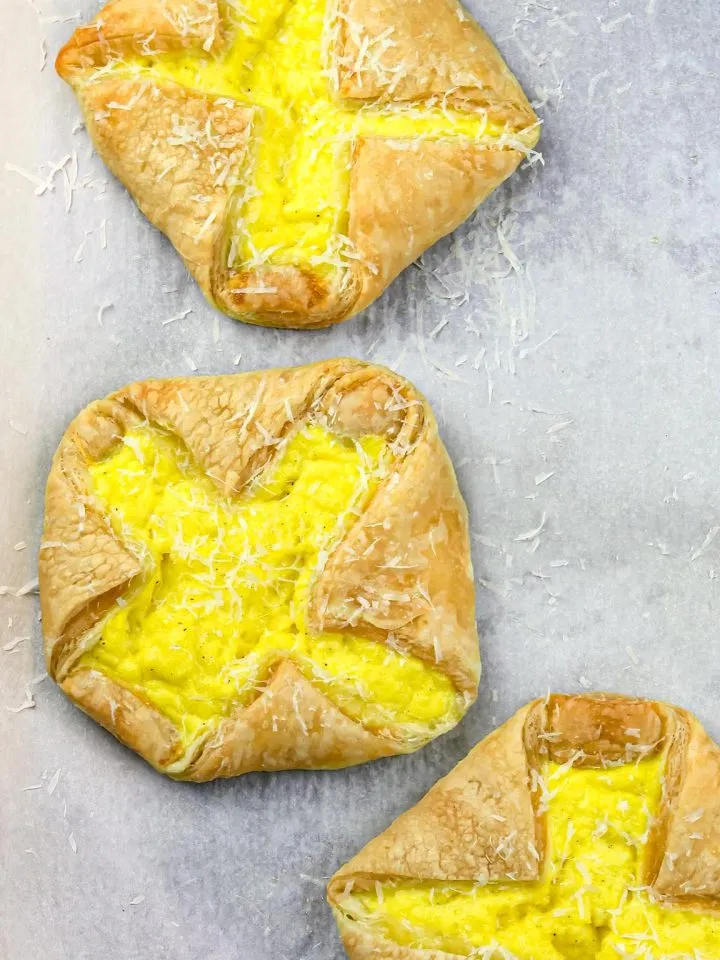
Cheesy egg puff pastries are a low-drama breakfast or brunch idea built on flaky puff pastry, soft-set eggs, and melty cheese. The recipe works because the pastry bakes up crisp and golden while the egg filling stays tender in the center, so you get a nice mix of creamy, crunchy, and savory in every bite.
Why puff pastry makes this feel easy but still special
Puff pastry does a lot of the heavy lifting here. It gives you a crisp, buttery base without needing to make dough from scratch, which keeps the recipe beginner-friendly and weeknight-friendly. It also helps the pastries hold their shape, so the filling feels tidy instead of messy.
That makes this a smart option when you want something that looks a little more put-together than scrambled eggs on toast, but still uses grocery-store ingredients and does not require fancy technique.
How to keep the eggs soft and the pastry crisp
The main thing to watch is balance. Puff pastry needs enough time in the oven to turn golden and flaky, but eggs can go from soft to overcooked pretty quickly. The goal is to bake until the pastry is fully set and the egg looks just slightly soft in the center. It will continue cooking a little after it comes out of the oven.
If the filling sits too long before baking, the pastry can get soggy. For the best texture, assemble the pastries and get them into the oven while the pastry is still cold and firm.
What to watch for
- The pastry should look puffed and deeply golden around the edges.
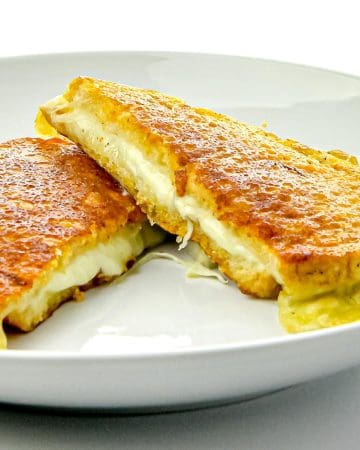
- The cheese should be melted and glossy.
- The egg center should look set at the edges with a little softness in the middle.
Easy flavor add-ins that make sense
This recipe is a good base for small changes. You can keep it simple or make it more filling depending on what you have on hand. The key is not overloading the pastry, since too much filling can make it hard to bake through.
- Fresh herbs: Chives, parsley, or dill add brightness.
- Vegetables: Soft-cooked spinach, sautéed mushrooms, or diced peppers work well in small amounts.
- Cheese swaps: Cheddar, mozzarella, feta, or a blend can change the flavor without changing the method.
- Protein add-ins: A little cooked bacon or ham can make it more filling.
Keep the add-ins small and evenly distributed so the pastry still bakes into crisp, flaky layers.
Serving ideas for breakfast, brunch, or a light lunch
These pastries are flexible enough for a slow weekend breakfast or a quick savory lunch. They pair well with something fresh on the side, since the pastry and cheese are rich on their own.
- Serve with fruit for a lighter breakfast plate.
- Add a simple green salad for lunch.
- Pair with roasted potatoes if you want a fuller brunch spread.
- Offer hot sauce, salsa, or a spoonful of jam if you like a sweet-savory contrast.
Common mistakes to avoid
- Letting the pastry warm up too much: Warm pastry is harder to work with and does not puff as well.
- Using too much filling: A heavy hand can lead to leaks or underbaked centers.
- Skipping the visual check: Don’t rely only on time; look for golden edges and set pastry.
- Overbaking the eggs: The center should still look a little soft when you pull it from the oven.
Storage and reheating
These are best eaten fresh, when the pastry is crisp and the egg is tender. If you have leftovers, store them in the refrigerator and reheat in the oven or toaster oven so the pastry can crisp back up a bit. A microwave will warm them faster, but the pastry will soften.
Make it your own next time
This is the kind of recipe that works as a base, not a rulebook. Once you know the balance of flaky pastry, creamy egg, and melty cheese, you can adjust the filling to match what you like best. If you want more savory depth, add herbs or a little cooked bacon. If you want something fresher, lean on vegetables and a sharper cheese.
It’s a simple idea, but that’s why it’s worth making: it feels doable, tastes cozy, and gives you a crisp, melty breakfast with very little fuss.



Rate and review this recipe