


Vermouth works best when it has a clear job in the recipe: adding brightness, depth, and a little herbal edge. In savory cooking, it can help pan sauces taste more rounded without making them heavy. If a recipe calls for vermouth, it is usually there to loosen browned bits in the pan, add aroma, or give a sauce a clean finish.
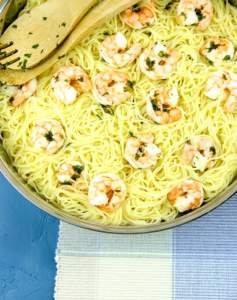
For home cooks, the easiest way to think about vermouth is as a flavorful cooking wine that fits naturally with butter, garlic, mustard, cream, and seafood. That is why it shows up so well in dishes like Shrimp Scampi with Angel Hair and Chicken with Dijon Mustard Sauce. In both cases, it helps the sauce taste sharper and more balanced.
What it pairs with
Vermouth is especially useful in weeknight-friendly recipes that already have a strong base. It plays nicely with:
- garlic and shallots
- butter and olive oil
- mustard sauces
- cream-based pasta dishes
- shrimp, chicken, pork, and sausage
- herbs like thyme, parsley, and tarragon
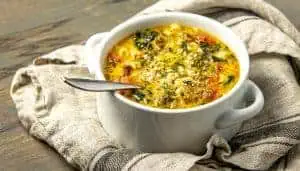
If you like cozy, saucy dinners, try it in Creamy Italian Sausage Pasta Soup or Sausage Meatballs with Creamy Polenta. Vermouth can add enough lift to keep richer dishes from feeling flat.
Dry or sweet?
Most savory recipes use dry vermouth. It has a lighter, more herbal flavor that works well with pasta, chicken, seafood, and creamy sauces. Sweet vermouth has a stronger, sweeter profile and is usually better suited to drinks or desserts than the recipes on this page.
If you are buying a bottle for cooking, dry vermouth is the more flexible choice. It is also a good option if you want one bottle that can support a few different recipes without taking up much space in the fridge or pantry.
Simple tips for better results
- Use vermouth early in the cooking process so the alcohol has time to cook down and the flavor can blend into the sauce.
- Add a little at a time if you are unsure. You want brightness, not a sharp boozy edge.
- Keep an eye on salt, since vermouth can make already salty dishes taste more intense.
- Store opened vermouth in the fridge and use it while it still tastes fresh.
If you are building a small-batch dinner routine or just want a new way to add depth without a lot of effort, vermouth is a smart ingredient to keep around. Browse the recipes above, save a few favorites, and find your next recipe.