
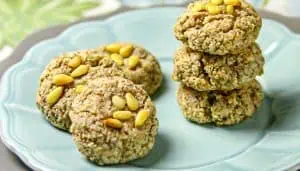
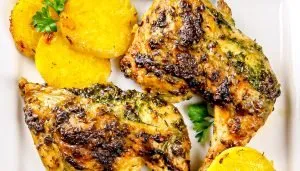


Pine nuts add a soft crunch and a rich, buttery flavor that works in both savory and sweet recipes. A little goes a long way, so they’re great when you want big flavor without a lot of extra effort.
Ways to use them
- Blend into sauces: They help give pesto a smooth, creamy texture.
- Finish pasta and grain bowls: Toasted pine nuts add contrast to soft noodles, rice, or couscous.
- Add to baked goods: They bring a nutty note to cookies and pastries.
- Top chicken or vegetables: They work well with herbs, greens, and cheese.
How to toast pine nuts without burning them
Pine nuts toast quickly, so stay close to the pan. Use a dry skillet over medium-low heat and stir often. They’re ready when they smell fragrant and turn lightly golden. Pull them off the heat right away, because they can go from pale to burnt fast.
Simple tips
- Use a thin layer in the pan for even browning.
- Shake or stir every few seconds.
- Transfer to a plate as soon as they’re done.
Good recipes to start with
If you’re not sure where to begin, these recipes show pine nuts in different ways:
- Pesto Stuffed Chicken for a bright, savory main dish.
- Pasta-a-la-stein for a simple pasta with basil, garlic, and toasted nuts.
- Vegan Amaretti Cookies for a small-batch dessert with a nutty finish.
Buying and storing tips
Pine nuts are worth keeping in the pantry if you cook a lot of pasta, salads, or herb-forward dishes. Because they contain natural oils, they can turn stale faster than some other nuts.
- Store them in an airtight container.
- Keep them in the fridge or freezer for longer freshness.
- Check for a fresh, mild smell before using.
Save this page for the next time you need a low-drama way to add crunch, richness, and a little extra something to dinner.