
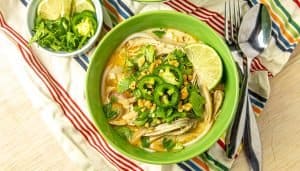

Lemongrass adds a bright, citrusy aroma that works especially well in creamy curries, brothy soups, and marinades. For most recipes, you want the lower, paler part of the stalk, where the flavor is strongest. Trim away the dry top, peel off any tough outer layers, and either bruise the stalk or mince it very finely so it can release more flavor while cooking.
If you are using bottled lemongrass paste or a prepped version from the store, that can be a very practical shortcut. It is especially handy for weeknight cooking when you want big flavor without the extra prep.
What lemongrass tastes best with
Lemongrass pairs well with ingredients that are rich, spicy, or fresh. It helps balance creamy coconut milk, chili heat, garlic, ginger, and herbs like cilantro.
- Coconut milk: smooths out the sharp citrus notes.
- Ginger and garlic: build a deeper, more aromatic base.
- Chili: gives the dish more contrast and warmth.
- Chicken or tofu: both take on lemongrass flavor nicely.
Easy ways to use it
If you want to start with something low-drama, try lemongrass in a soup or curry first. These dishes give the ingredient time to infuse the whole pot, so you get more flavor without needing complicated technique.
- For a cozy, creamy option, try Thai Red Curry Chicken Soup.
- For a classic flavor-packed dinner, make Thai Green Curry.
Small tips that help
Cook lemongrass long enough for the flavor to spread, but remove any tough pieces before serving unless the recipe calls for them to stay in. If you are new to it, start with a little less than you think you need and taste as you go. Lemongrass should taste bright and fresh, not overpower the whole dish.
Save this page if you want a quick way to find your next lemongrass recipe when you are in the mood for something bold, creamy, or cozy.