
How to cook with gochujang
Gochujang is a fermented Korean chili paste with a sweet, salty, spicy flavor that works especially well in sauces, marinades, and noodle dishes. A little goes a long way, so start small if you are new to it. It brings heat, but the bigger payoff is depth: a savory, slightly tangy flavor that makes simple ingredients taste more interesting.
For beginner-friendly cooking, the easiest way to use gochujang is to whisk it into something creamy or saucy. It blends nicely with ingredients like butter, cream, broth, soy sauce, garlic, and a little sugar or honey. That balance helps soften the heat and gives you a smooth sauce that clings to pasta, rice, vegetables, or chicken.
Easy ways to use it
- Stir it into pasta sauce: Mix gochujang into cream or a tomato-based sauce for a bold, weeknight-friendly dinner.
- Whisk it into dressings: Combine it with vinegar, oil, and a touch of sweetener for a punchy salad or grain bowl dressing.
- Use it as a marinade base: Pair it with soy sauce, garlic, and sesame oil for tofu, chicken, or shrimp.
- Spice up soups and stews: Add a spoonful near the end for extra depth without making the whole dish fiery.
- Mix it into dips: Blend it with mayo or yogurt for a quick sandwich spread or dipping sauce.
Tips for getting the flavor right
If your gochujang tastes too sharp on its own, add a little fat and sweetness. That is usually what turns it from intense to balanced. Taste as you go, because different brands can vary in heat and saltiness.
- Start with less than you think you need.
- Loosen thick paste with a splash of broth, pasta water, or milk before adding it to a sauce.
- Pair it with something creamy, crunchy, or fresh so the final dish has contrast.
- Keep leftovers in the fridge and use them in small batches so the flavor stays manageable.
Try it in a weeknight pasta
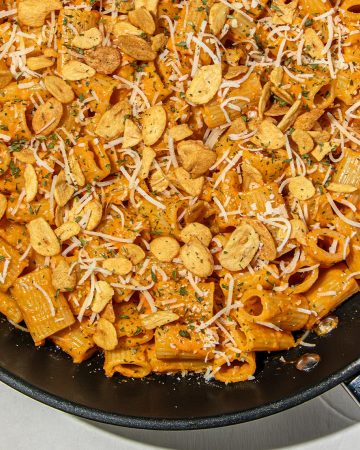
If you want an easy place to start, Gochujang Cream Rigatoni with Crispy Garlic is a good example of how this ingredient works in a low-drama dinner. The creamy sauce softens the heat, the garlic adds crunch, and the pasta shape holds onto every bit of flavor.
Once you get comfortable with gochujang, it is easy to build your own version of a bold, cozy dinner. Save this ingredient page for later, then come back when you want something saucy, simple, and a little different from your usual rotation.