
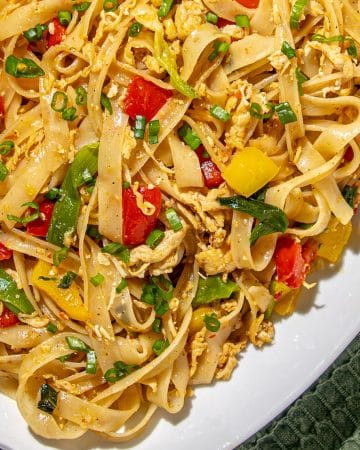

Bean sprouts are at their best when they stay crisp and fresh. That means they usually work well in recipes where they’re added near the end, not cooked for long stretches. If you want that light crunch to come through, look for dishes with quick stir-frying, hot noodles, or fresh toppings.
They’re also a smart ingredient when you want a meal that feels bigger without adding much cost or prep. A handful can brighten up a bowl, add texture to noodles, and make a simple dinner feel more complete.
What bean sprouts taste and feel like
Bean sprouts have a clean, mild flavor, so they usually pick up the taste of the sauce, broth, or seasoning around them. Texture is their main job: crisp, juicy, and a little snappy. If you like contrast in your meals, they’re an easy way to make a soft or saucy dish more interesting.
- Best in: noodle bowls, stir-fries, soups, spring rolls, and rice dishes
- Work well with: soy sauce, garlic, ginger, chili, lime, peanuts, shrimp, chicken, and tofu
- Add at the end: for the freshest texture
How to keep them from going soggy
Here’s what to watch for: bean sprouts cook fast. If they stay on the heat too long, they can turn soft and watery. For the best texture, add them in the final minute or use them as a topping after cooking.
- Rinse them well and drain thoroughly.
- Pat them dry if you want extra crunch.
- Add them late in the cooking process, or pile them on just before serving.
If your recipe already has a lot of liquid, try not to overload the pan. A quick toss is usually enough.
Find a good place to start
If you want a simple bean sprout recipe that feels weeknight-friendly, Easy Shrimp Pad Thai is a strong first choice. It uses bean sprouts the way they’re meant to be used: for crunch, freshness, and contrast against a saucy noodle base.
Save this archive if you want more low-drama meal ideas that are easy to make and still feel worth making. Bean sprouts are one of those pantry-and-fridge ingredients that can quietly pull a dish together when you know how to use them well.